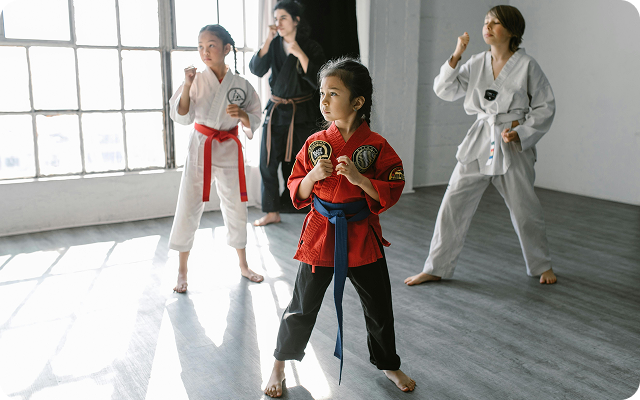
If you’ve ever run a dojo with a clipboard at the front desk, you already know how chaotic attendance tracking can be.
Students rush in. Parents ask questions. Belts need tying. And somewhere in that blur, you’re trying to check off names accurately.
For martial arts schools, attendance tracking isn’t just admin. It directly impacts:
- Student retention
- Belt progression
- Revenue stability
- Class scheduling decisions
In 2026, there’s no reason to manage this manually.
Why is Martial Arts Attendance Tracking So Important?
Good attendance tracking isn’t just about knowing who showed up. It’s about understanding the health of your school and your students' progress. When you have accurate data, you can make smarter decisions that directly impact your bottom line and your community. According to IHRSA, member retention is a huge factor in a gym's success, and you can't retain students you don't even know are slipping away.
Here are a few of the biggest benefits I’ve seen firsthand:
- Boost Student Retention: This is the big one. An attendance tracking system is your early warning signal. When a student who usually comes three times a week suddenly only shows up once, you’ll know immediately. A quick, personal text or email asking if everything is okay can make a world of difference and prevent a cancellation.
- Automate Belt and Stripe Promotions: Stop spending hours flipping through binders to see if a student is eligible for their next rank. Modern software can automatically track class hours and let you know the moment a student meets the criteria for their next belt. This ensures fairness and gives you back precious time.
- Simplify Your Admin Work: Think about the time you spend manually marking attendance, then transferring it to a spreadsheet (if you even get that far). A digital system automates this entire process. Students can check themselves in, and the data is instantly logged and organized.
- Gain Valuable Business Insights: Which classes are your most popular? Which ones are struggling? Attendance data gives you a clear picture of what’s working and what isn’t, so you can adjust your schedule and offerings to better serve your students.
TL;DR
Switching from paper or spreadsheets to digital martial arts attendance tracking allows you to:
- Identify at-risk students early
- Automate belt and stripe eligibility
- Reduce admin hours
- Improve retention
- Make better scheduling decisions
A dedicated platform like Recess handles this automatically, without monthly software fees.
Why Martial Arts Attendance Tracking Matters
Tracking attendance isn’t about knowing who showed up.
It’s about understanding patterns.
When you consistently track attendance, you can:
1. Improve Student Retention
Attendance drop-off is usually the first sign a student may quit.
If a student normally trains three times a week and suddenly drops to once, that’s an early warning signal.
With digital attendance tracking, you can:
- See missed sessions immediately
- Trigger automated follow-ups
- Send personal check-in messages
Small interventions prevent cancellations.
2. Automate Belt and Stripe Eligibility
Many martial arts schools require a minimum number of classes before testing.
Manual tracking leads to:
- Inconsistent promotions
- Extra admin time
- Confusion about eligibility
Digital systems automatically:
- Track class counts
- Flag testing readiness
- Maintain belt progression history
This keeps standards consistent while reducing paperwork.
3. Reduce Administrative Work
Manual attendance tracking requires:
- Marking attendance
- Entering data into spreadsheets
- Calculating totals
- Reviewing manually
Digital systems allow:
- Self check-in via tablet
- Instructor roll call on mobile
- Instant attendance logs
The data is immediately organised and searchable.
4. Make Smarter Scheduling Decisions
Attendance data answers important business questions:
- Which classes are full?
- Which time slots underperform?
- Are beginners converting into long-term students?
Instead of guessing, you adjust your schedule based on actual patterns.
Why is Martial Arts Attendance Tracking So Important?
Here’s how the most common methods stack up:
Paper and spreadsheets work at very small scale. They become limiting as student numbers grow.
What to Look for in Martial Arts Attendance Software
When evaluating options, make sure the system includes:
Essential features
- Digital check-in (tablet, mobile, or instructor view)
- Attendance history per student
- At-risk alerts
- Integration with belt progression tracking
- Reporting dashboards
Helpful additions
- Family account support
- Automated follow-ups
- Integration with billing
- Class capacity tracking
A good system should connect attendance, billing, and promotions in one place.
A Practical Option for Martial Arts Schools
Many schools hesitate because of cost.
Platforms like Mindbody or Zen Planner can cost hundreds per month, which adds up quickly for independent dojos.
Recess provides:
- Automated attendance tracking
- Belt progression management
- Scheduling
- Recurring billing
- Family accounts
- Reporting
All without monthly subscription fees.
That removes the financial barrier to upgrading from paper systems.
Frequently Asked Questions
What’s the easiest way to track attendance for a small dojo?
A simple digital system is typically easiest. It eliminates manual entry and creates visibility without adding complexity.
Does attendance tracking really improve retention?
Make check-in part of the routine. Instructors can remind students at the start of class, and self check-in stations near the entrance reduce friction.
How do I get students to check in consistently?
Yes. Attendance decline usually happens before cancellations. Identifying that pattern early gives you the opportunity to reach out and re-engage the student.
Final Thoughts
Martial arts attendance tracking is one of the most overlooked growth tools in a dojo.
When done well, it helps you:
- Protect revenue
- Maintain promotion standards
- Adjust scheduling intelligently
- Reduce admin time
- Support long-term retention
If you’re still using clipboards or spreadsheets, moving to a structured system is one of the simplest operational upgrades you can make.
You can explore more tools and guides for running a successful martial arts school here.